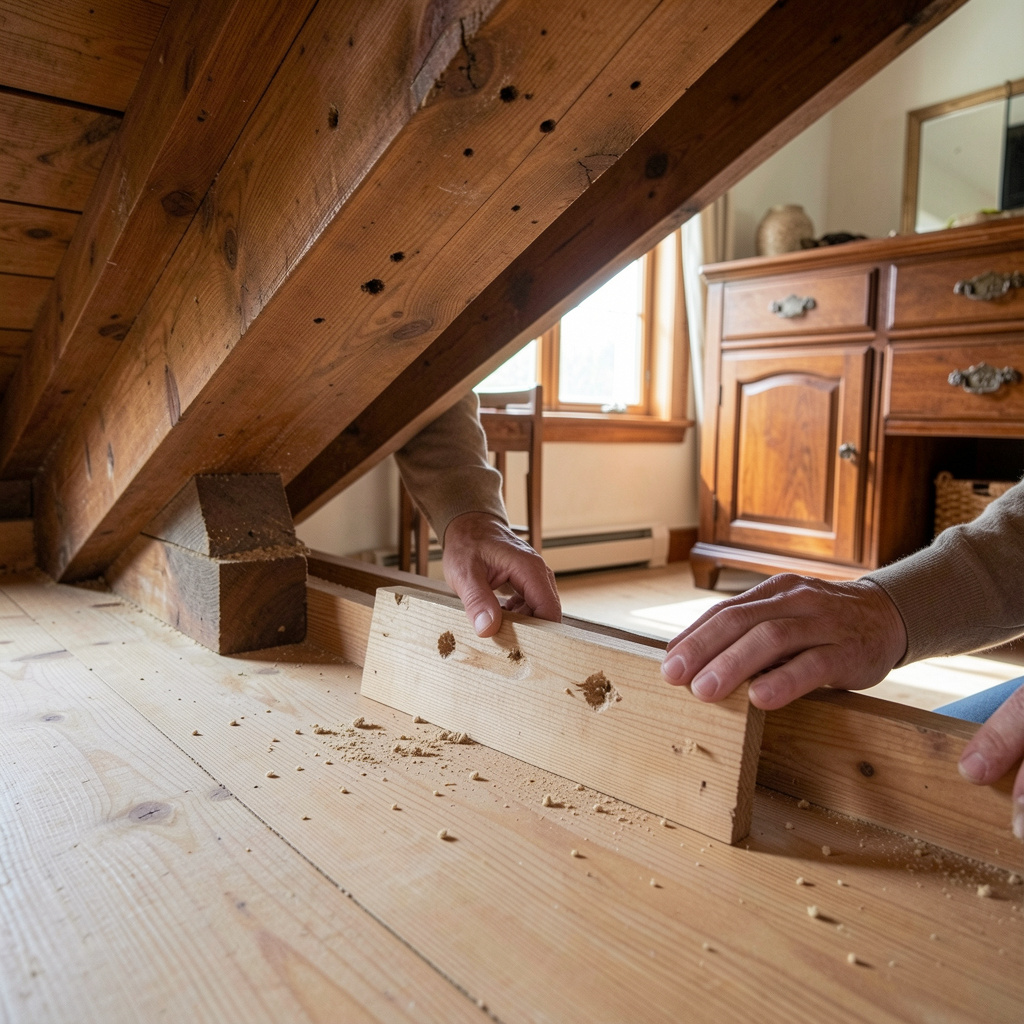
Mold is one of the most common problems affecting wooden homes, furniture, roof beams, flooring, and structural timber. It often develops in damp, poorly ventilated areas and may quietly spread before homeowners notice visible signs. Besides affecting appearance, mold can weaken wood over time and create unpleasant indoor conditions.
As modern wood treatment methods continue improving, many homeowners ask an important question: Can microwave treatment help with mold?
The answer is in some situations, yes — microwave treatment may help reduce mold problems by targeting moisture and heating affected areas, especially when mold develops inside wooden structures. However, mold treatment works best when combined with moisture control, ventilation improvements, and preventive maintenance.
Because mold often appears due to damp conditions, simply treating the surface is usually not enough. Long-term prevention matters.
Many homeowners researching timber care through shashel.eu/ increasingly explore microwave technology because it offers a modern approach for treating hidden wood problems with lower chemical use.
In this guide, we will explain how microwave treatment may help with mold and how homeowners can better protect timber.
What Causes Mold in Wood?
Before treatment begins:
It helps to understand why mold appears.
Common Causes of Mold Include
- Moisture buildup
- Poor ventilation
- Roof leaks
- Condensation
Why This Matters
Damp timber creates ideal conditions for:
- Mold growth
Healthy dry wood naturally resists problems better.
Prevention matters.
How Microwave Treatment Works
Microwave treatment is a modern wood protection method.
How It Works
Microwave energy heats moisture inside:
- Wood
- Damp areas
This heating process may help reduce:
- Hidden moisture problems
Why This Matters
Mold commonly depends on:
Moist conditions
Reducing moisture may help improve mold control.
Many homeowners exploring timber care through shashel.eu increasingly choose microwave treatment because it may help address hidden timber problems without heavy chemical use.
Can Microwave Treatment Help with Mold?
In some situations:
Yes, microwave treatment may help reduce mold growth
Why It May Work
Microwave treatment may:
- Heat damp areas
- Reduce moisture inside timber
Since mold prefers damp wood:
This may help slow:
- Mold development
However:
Long-term success depends on fixing the moisture source.
Balanced treatment matters.
Microwave Treatment Is Not Always a Complete Solution
While microwave technology may help:
It is not always enough on its own
Why Mold Returns
Mold commonly comes back if:
- Moisture problems continue
Common Causes That Need Fixing
- Roof leaks
- Pipe leaks
- Poor ventilation
Prevention improves long-term results.
Healthy homes stay drier.
Improve Ventilation to Prevent Mold
Healthy airflow matters.
Why Ventilation Helps
Good airflow helps:
- Reduce humidity
- Lower moisture buildup
High-Risk Areas Include
- Attics
- Basements
- Roof spaces
Dry environments naturally discourage mold.
Simple improvements matter.
Keep Wood Dry
Moisture control remains essential.
Helpful Prevention Tips
Fix:
- Roof leaks
- Plumbing issues
Watch for:
- Condensation
Dry wood naturally lasts longer.
Fast action matters.
Many homeowners researching timber care through shashel.eu understand that moisture prevention is one of the best ways to stop mold.
Inspect Hidden Wooden Areas
Mold often develops quietly.
High-Risk Hidden Areas Include
- Roof beams
- Ceiling spaces
- Behind furniture
Why Hidden Inspections Matter
Problems may spread unnoticed.
Routine inspections improve prevention.
Never overlook concealed timber.
Protect Furniture from Mold
Furniture can also become vulnerable.
Helpful Maintenance Tips
Keep furniture:
- Dry
- Well ventilated
Inspect regularly for:
- Dark patches
- Damp smells
Healthy furniture lasts longer.
Routine care matters.
Common Mistakes Homeowners Make
Treating Only Surface Mold
Hidden moisture often remains.
Ignoring Dampness
Moisture encourages mold growth.
Delaying Repairs
Small leaks become larger problems.
Skipping Ventilation
Poor airflow increases humidity.
Routine care improves protection.
Long-Term Prevention Tips
Keep Timber Dry
Dry wood discourages mold.
Improve Airflow
Healthy ventilation matters.
Fix Leaks Quickly
Moisture increases mold risk.
Inspect Regularly
Small warning signs deserve attention.
Consistency protects timber.
Conclusion
So, can microwave treatment help with mold? In some situations, yes — microwave treatment may help reduce mold by heating damp timber and lowering hidden moisture, especially inside wooden structures. However, it works best when combined with proper ventilation, moisture control, leak repair, and regular maintenance.
Because mold usually develops due to damp conditions, solving the moisture problem is just as important as treating the affected area.